The project in context
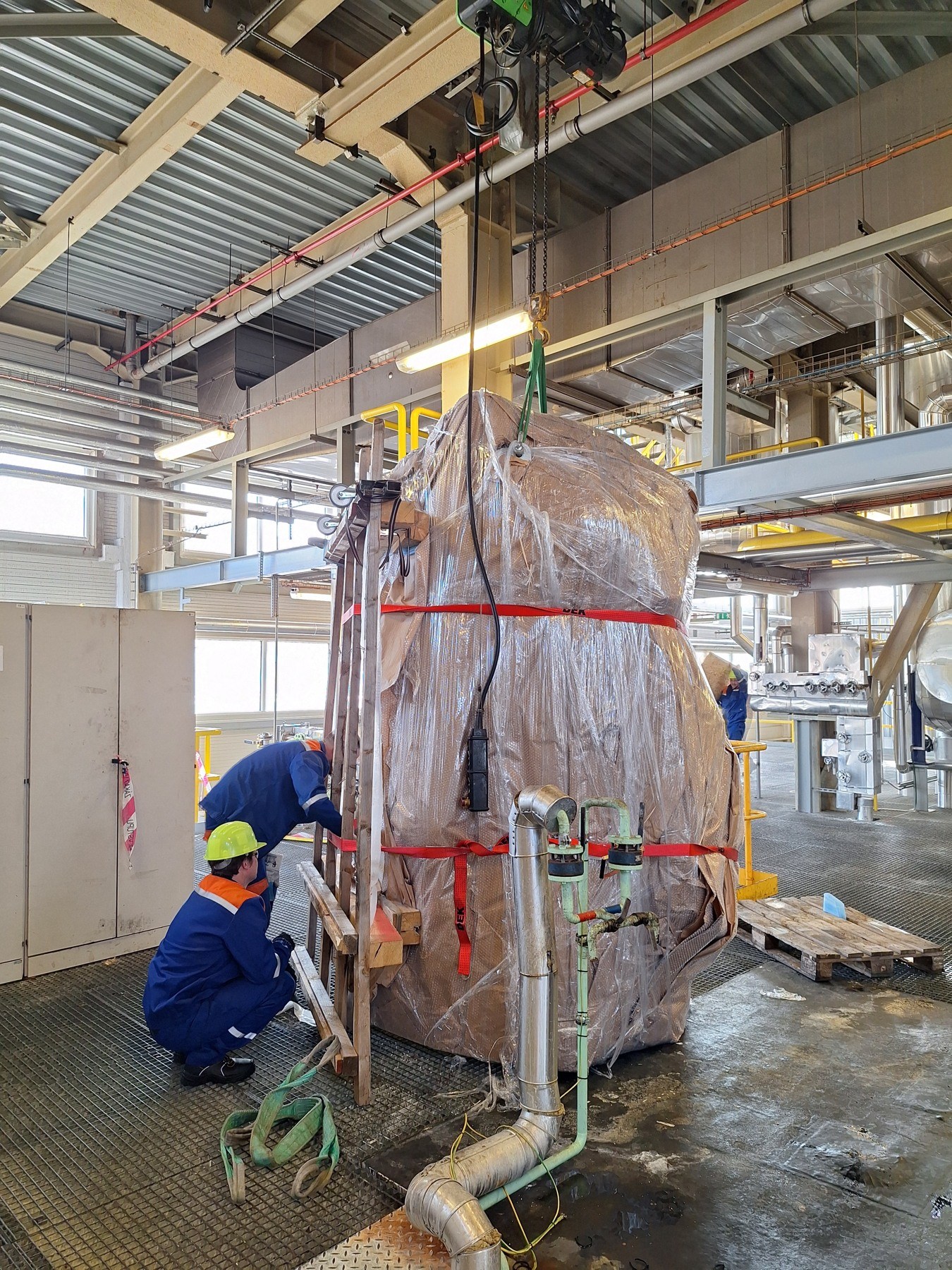
Technology in its operating context.
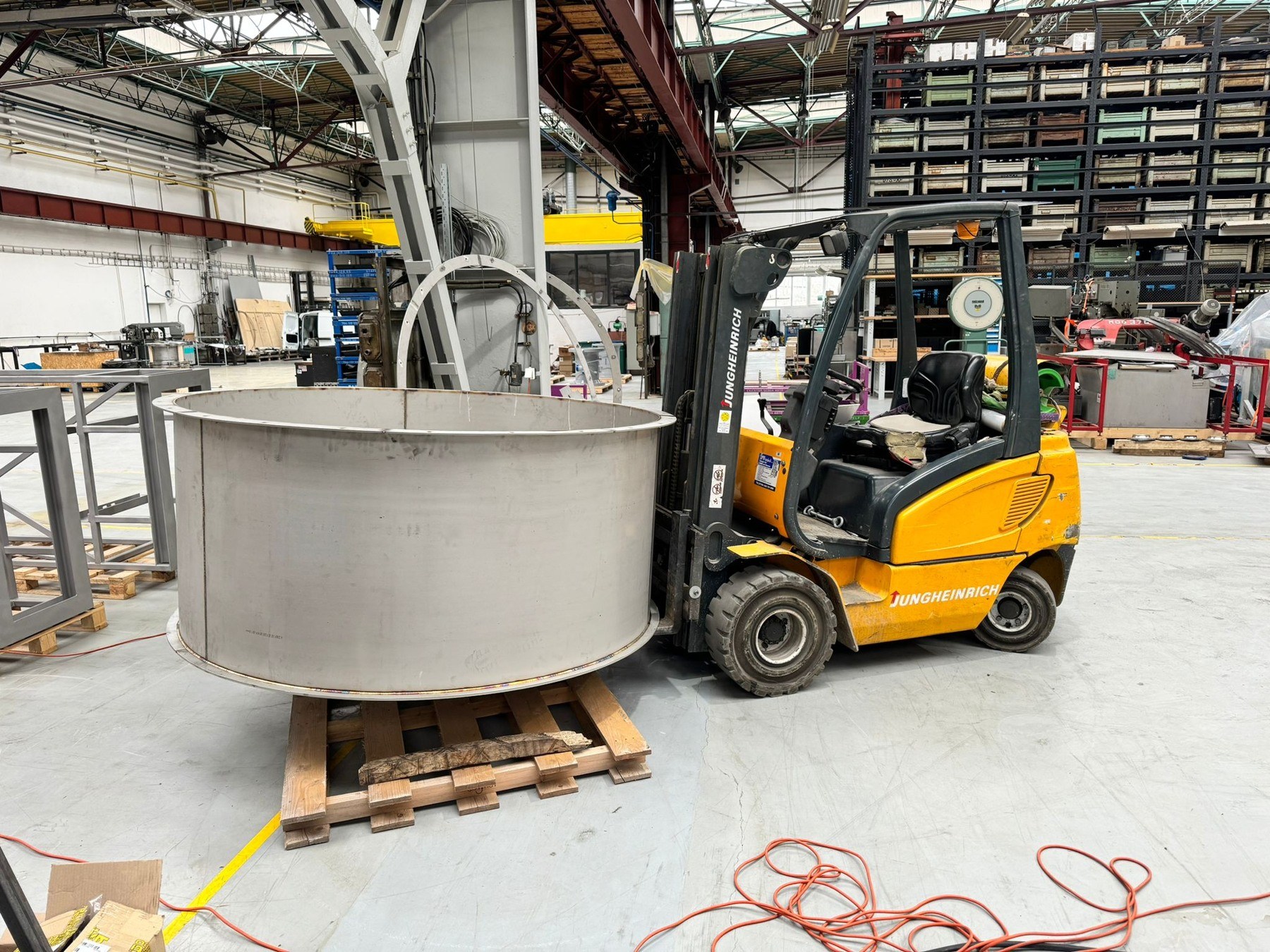
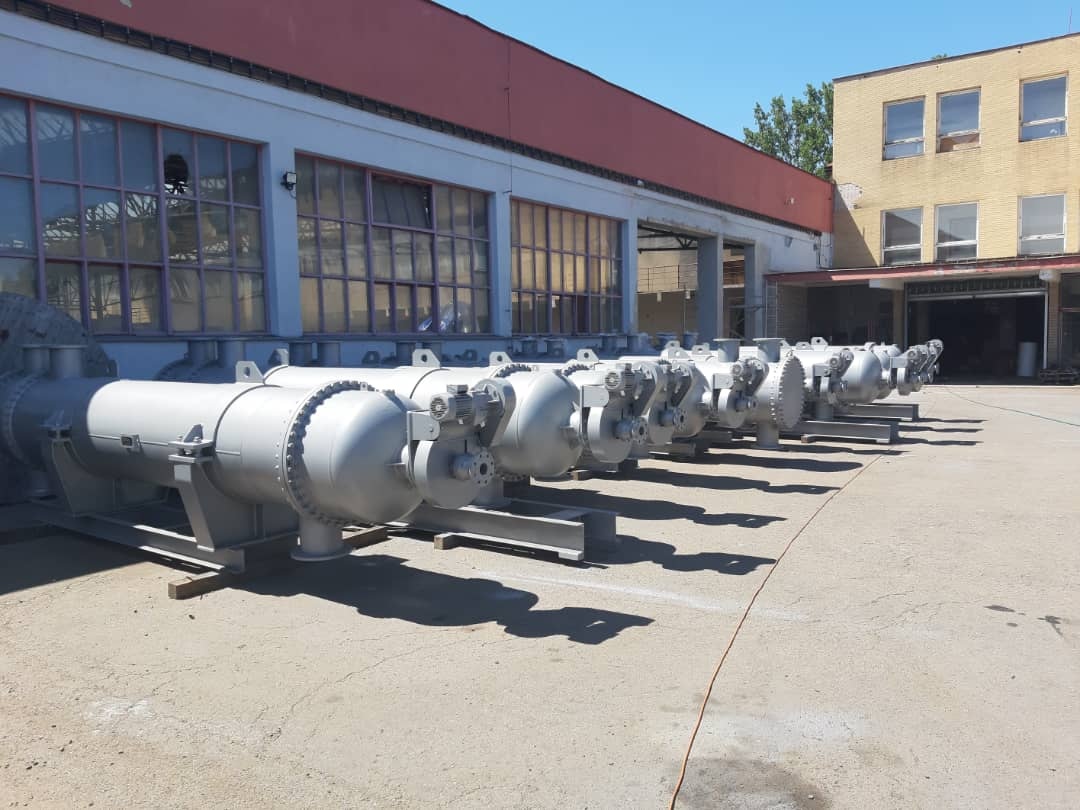
Replacement of a non-functional vacuum system with a new process assembly. The scope included layout design, a support structure, polypropylene tanks, heat exchangers and piping. Workshop assembly was followed by on-site installation, instrumentation and controls, pipe insulation and operating tests.
Scope of work
- Layout design, support structure and polypropylene tanks
- Heat exchangers, piping, instrumentation and control components
- Workshop assembly, installation, pipe insulation and commissioning
Execution
The work combined design, workshop assembly and installation with piping, instrumentation and insulation modifications. Measurement and control components were assigned to the specific functions of the two vacuum trains.
Two independent process circuits
The arrangement consists of two independent vacuum-pump trains. Each connects a tank, heat exchanger, vacuum pump and separator. Circulating liquid is prepared in the tank and cooled in the exchanger shell before entering the pump. A calcium-chloride brine provides cooling on the tube side.
The new layout included the support structure, polypropylene tanks and interfaces to existing utilities. The vacuum pumps and separators were supplied by the operator; the project integrated these components into the complete arrangement.
Measurement and control-valve interfaces
Each train monitors pH, level and temperature. The pH measurement controls the caustic feed through a DN15 valve; the level controls softened-water make-up through DN25. Circulating-liquid temperature downstream of the exchanger controls the brine feed through another DN25 valve.
Metal and plastic piping are combined according to the medium. The documentation specifies electrically conductive plastic for the vacuum and off-gas branches. Manual isolation and drain valves, instrument pockets and insulation on selected lines complete the arrangement.
Installation, operating tests and documentation
Workshop preparation was followed by installation within the existing facility. Operating tests and subsequent adjustments took place during summer and September 2024. An October 2024 handover is recorded in a signed protocol with defined reservations.
The documentation package covered the installed process, as-built arrangement, electrical design, electrical inspection and component records. The tests and handover relate to this specific vacuum-centre upgrade.
Outcome
The delivery provided a new supporting process arrangement for two vacuum trains, with associated piping and instrumentation. The reference covers its installation, operating verification and documented handover.